
It was just a —
On pain, performance & the words we use to shrink it

You know how, when you don’t really have your people, writing becomes the only place things get said? Not explained, not defended. Just… placed somewhere, maybe it’s easier that way. More quiet. Strange, but it works. Which is probably why I’m writing this now.
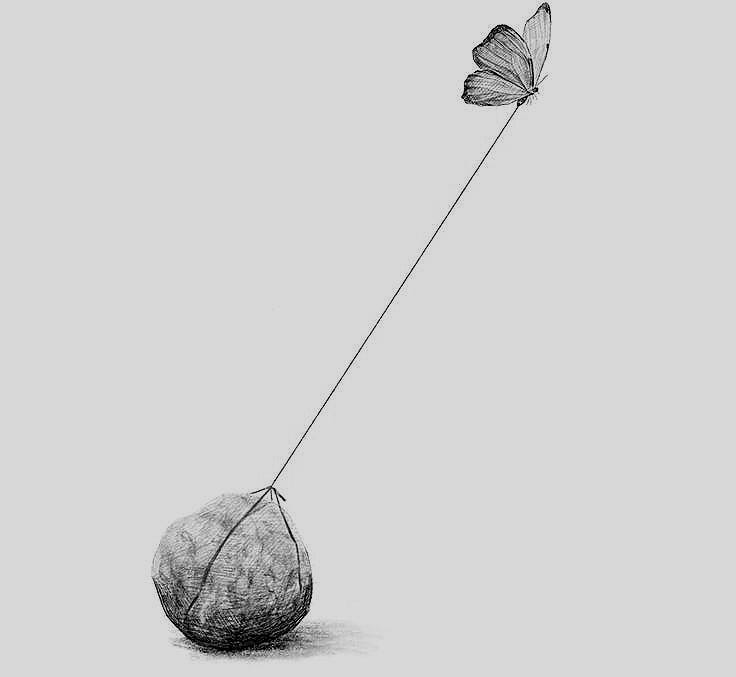
Today felt too numb and hollow. Maybe it came from the jolt of the night before. The words still fresh, lingering the way coffee smells before you’re ready for the morning. I could feel the 7am sunlight cut through the office window. Not soft, not gentle, and definitely not forgiving. The light was sharp and intrusive, the kind you can’t look away from, even as it hurts. Or shall I describe it like certain kinds of love.
The heart was just pacing and my eyes felt so damp, I could see the kohl wiping away. Mind looping old scenes with nowhere to place them. And somewhere in the wreckage of the night before, someone had said it.
The line, the one that ends conversations before they begin. The one that pretends to explain, but really just closes the door and leaves you alone with your thoughts.
“It was just a…”
Left for you to play fill in the blank.
“It was just a joke.”
“It was just a mistake.”
“It was just a moment.”
“It was just a message.”
Four words that are enough to flatten a person.
And we’ve all been there, on both sides, feeling it and saying it. I have too.
I’ve stood on the receiving end, watching someone compress my pain into a just. Watching them reduce something real into something small enough to step over.
The strange part is, it doesn’t make you angry first, it makes you doubt. Well, in my case, it made me question my self-worth. And ask myself questions that weren’t mine in the first place.
Maybe I’m overreacting.
Maybe I’m too sensitive.
Maybe I’m too much.
Maybe the feeling is the problem, not what caused it.
That’s the violence of the word. Not that it lies, sometimes it doesn’t. Sometimes it really was just a moment. But it recruits your own mind to finish the job. You become the one holding the eraser.
And somehow, you’re left cleaning up a mess you didn’t create. Reworking something small for them that keeps repeating itself for you.
And then there’s the other side. I’ve said it too….but not out of cruelty, that would be easier to admit. But out of sheer convenience. Out of the discomfort of holding someone else’s pain. Out of the need to make that responsibility smaller, so I could carry it without breaking.
“It was just a—” is almost never about the event.
It’s about the size of self you can hold in that moment. How much accountability you can carry without collapsing.
And most of us can’t carry much, so we conveniently minimize the wound instead of facing it. We protect ourselves from the weight without fully seeing what we’ve left behind.
It’s an escape from the guilt, the burden of shame and responsibility. It’s the sentence you use when the truth is too heavy to hold standing up.
And then we’re back here, juggling and trying to manage it all. The grief, pain, memories, and the healing. A cycle that doesn’t really end, it just changes shape.
Here’s what no one tells you about healing: There’s no morning where everything is suddenly lighter, where the hollow disappears, where the past politely finds somewhere else to go. It lingers every day in tiny corners of the heart and mind, waiting to jump at you and play peek-a-boo. It shows up in ordinary moments; a word, a smell, a tone. And then haunts from passing thoughts in the day to the weight of it in your sleep, where even rest doesn’t quite let you go.
And even when your overthinking mind tells you something isn’t right, even as gullible as you are, you want to believe the lie of “it will all be okay.”
That’s its own kind of violence, it doesn’t comfort; it silences.
So what actually happens, slowly yet quietly, is something else. You stop needing the person who hurt you to name what they did. You stop waiting for the just to be taken back. You begin to hold the real size of it yourself.
Without any permission or validation, and that’s not the same as okay.
Highlighting it here: It doesn’t become okay, but it becomes yours to carry. The weight of it, on your shoulders, no longer resized to fit someone else’s comfort.
The coffee brewed, and the sunlight moved. The memories didn’t disappear, they just softened for a moment, or maybe something else caught your attention.
And in that moment, this felt necessary to write: It wasn’t just anything, but the whole thing. Exactly as big as it felt, and you were right to feel all of it.